
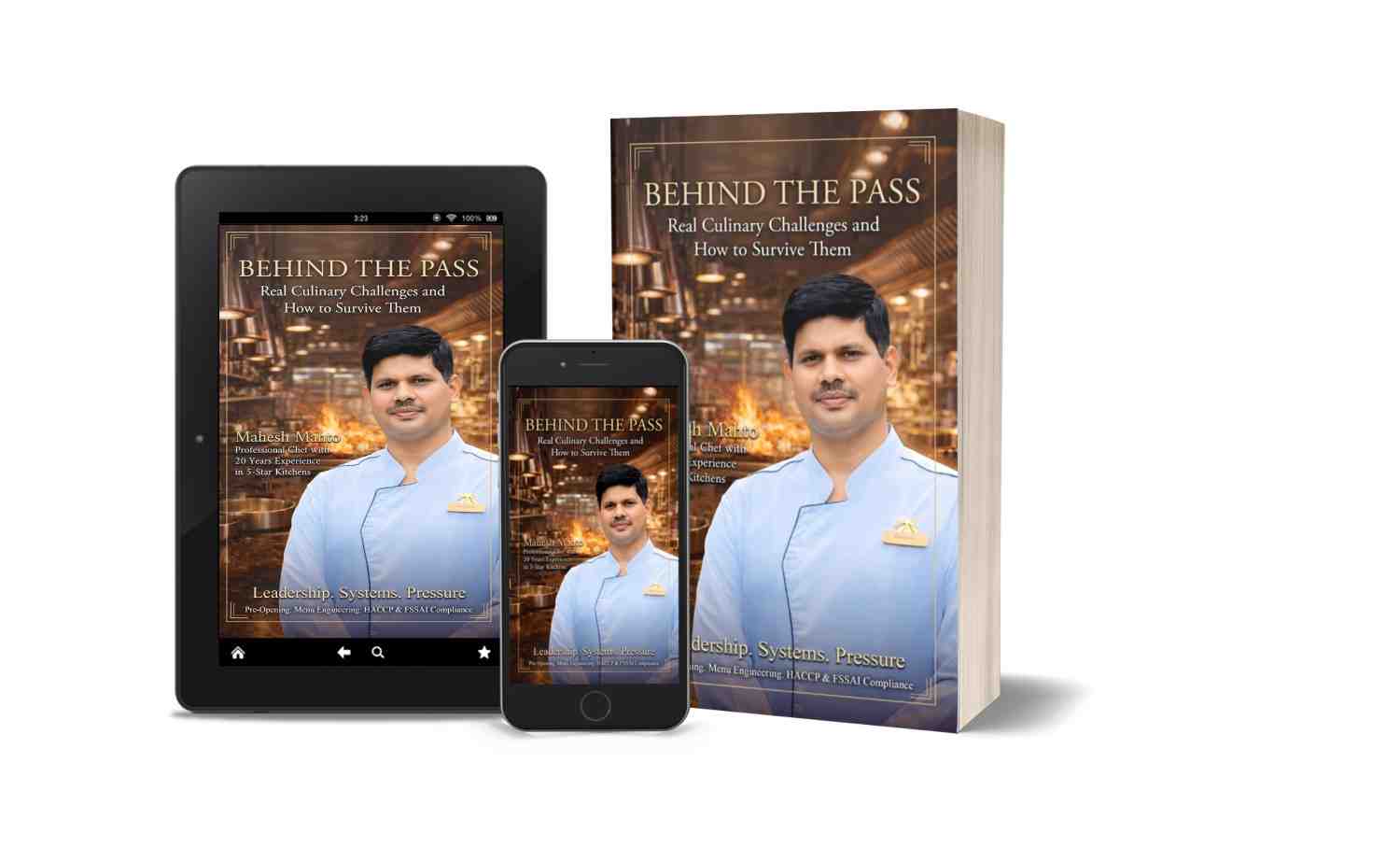
Professional kitchens are often romanticized as places of passion, creativity, and fast-paced artistry. But behind the polished plating and perfectly timed service lies a far more complex reality—one built on pressure, repetition, and constant problem-solving.
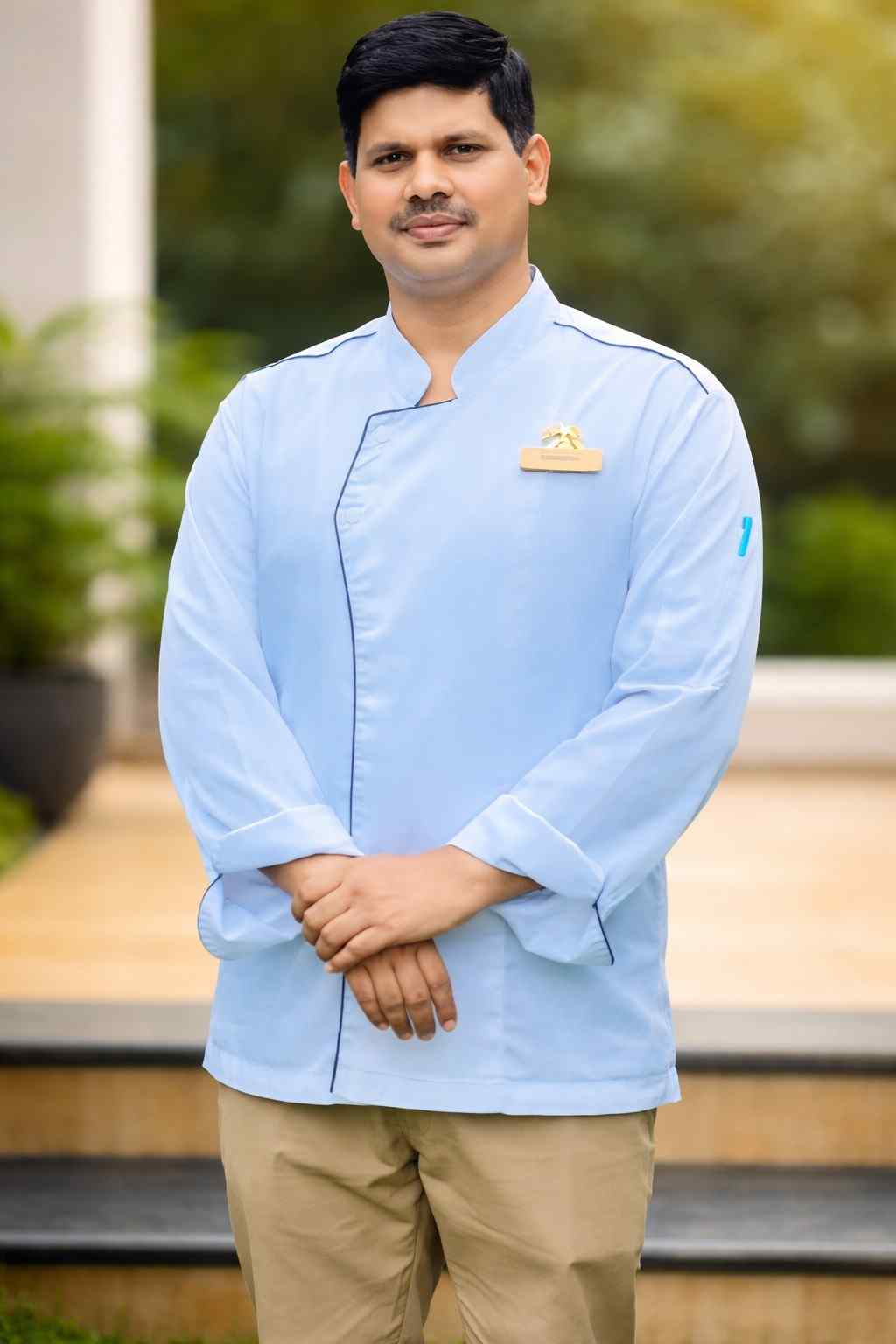
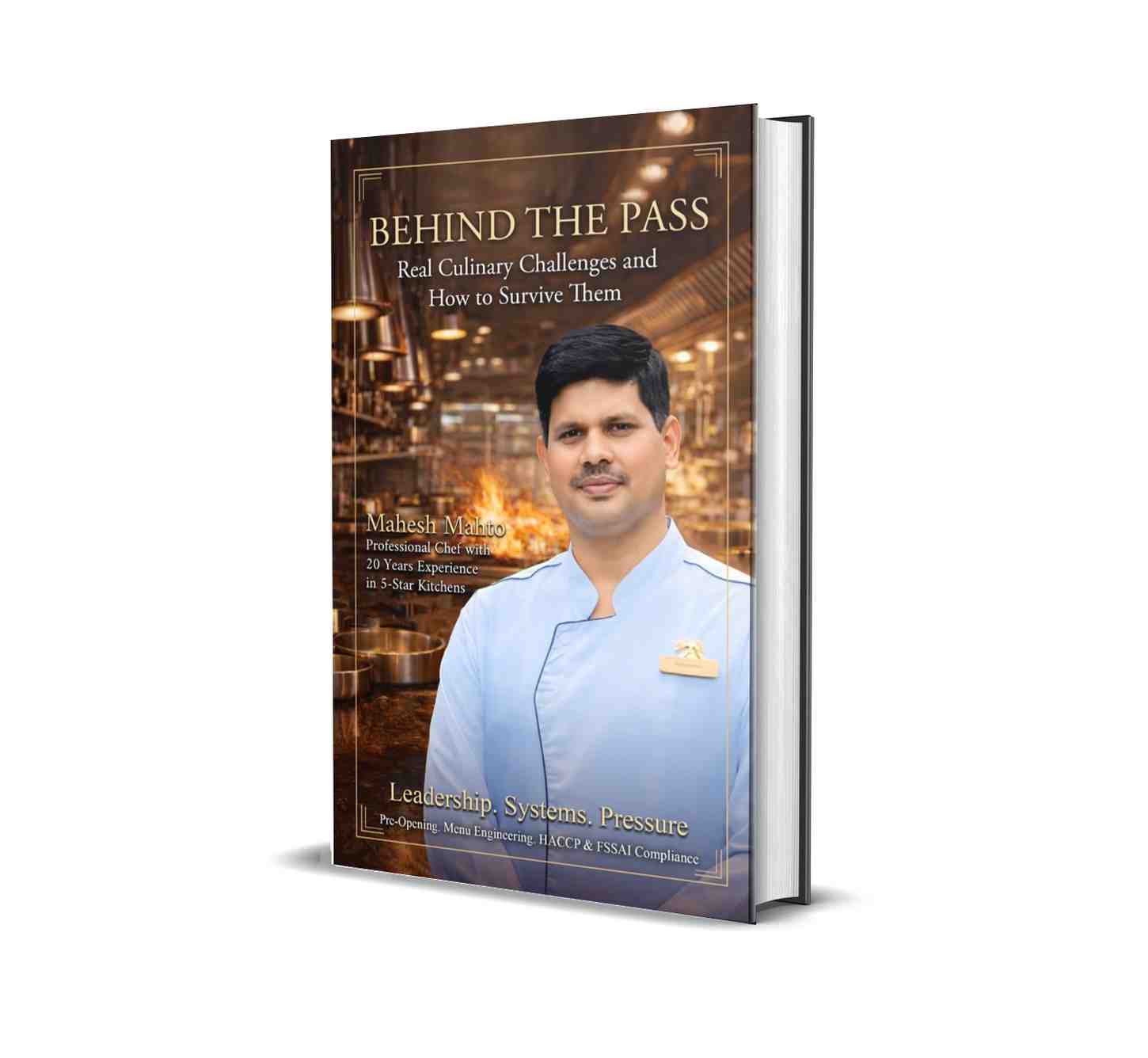
Chef Mahesh Mahto, an experienced Executive Chef with over two decades in the hospitality industry, takes a deeper look into this world in his operational philosophy and book concept Behind the Pass. His perspective is not shaped by theory but by years of working inside high-pressure kitchens where consistency is harder to maintain than creativity.
In most restaurants, the guest sees only the final product—a beautifully plated dish delivered within minutes. What remains invisible is the system that makes this possible: coordination between sections, timing of prep work, communication between teams, and the ability to maintain control when everything happens simultaneously.
According to Chef Mahto, this is where most kitchens struggle. The challenge is not cooking the food—it is delivering the same quality repeatedly during peak service hours when pressure is highest.
The Reality Behind the Service Window
In high-performance kitchens, even a small delay can create a chain reaction. A late prep item, a miscommunicated order, or an untrained staff member can disrupt the entire flow. What looks like a smooth service from outside is often controlled chaos inside.
Chef Mahto emphasizes that many kitchens rely too heavily on individual talent. A strong chef can save a service, but relying on individuals creates instability. When that person is absent, performance drops immediately.
This dependency is one of the biggest hidden risks in hospitality operations.
Systems vs. Skill
One of the core ideas in Chef Mahto’s philosophy is the shift from skill-based kitchens to system-driven kitchens. While skill is essential, it is not enough to sustain long-term performance.
Systems ensure that:
- Food preparation follows a repeatable structure
- Communication remains clear across departments
- Quality does not depend on memory or individual judgment
- Service remains stable even under pressure
Without systems, kitchens operate on improvisation. And improvisation may work in calm conditions, but fails during peak service.
Pressure and Human Limits
Another overlooked aspect of kitchen operations is human fatigue. Chefs and kitchen staff work long hours in physically demanding environments. As pressure increases, mistakes become more frequent—not because of lack of ability, but because of cognitive overload.
Chef Mahto highlights that understanding human limitations is essential for building better kitchens. A well-designed system reduces mental pressure by removing unnecessary decisions during service.
Why Consistency Is the Real Challenge
Creativity is often celebrated in culinary arts, but consistency is what defines success in real operations. A restaurant may serve an excellent dish once, but maintaining that quality across hundreds of orders is the real challenge.
This is where systems, training, and discipline come together.
Chef Mahto’s approach focuses on creating kitchens where consistency is engineered, not hoped for. This means defining clear standards, documenting processes, and training teams to follow them without deviation.
The Invisible Architecture of Kitchens
Behind every successful restaurant is an invisible structure:
- Prep schedules
- Inventory flow
- Staff roles
- Service sequencing
- Quality checkpoints
When this structure is strong, the kitchen runs smoothly. When it is weak, even talented chefs struggle to maintain control.
Chef Mahto compares it to architecture—guests see the building, but not the engineering that keeps it standing.
Conclusion
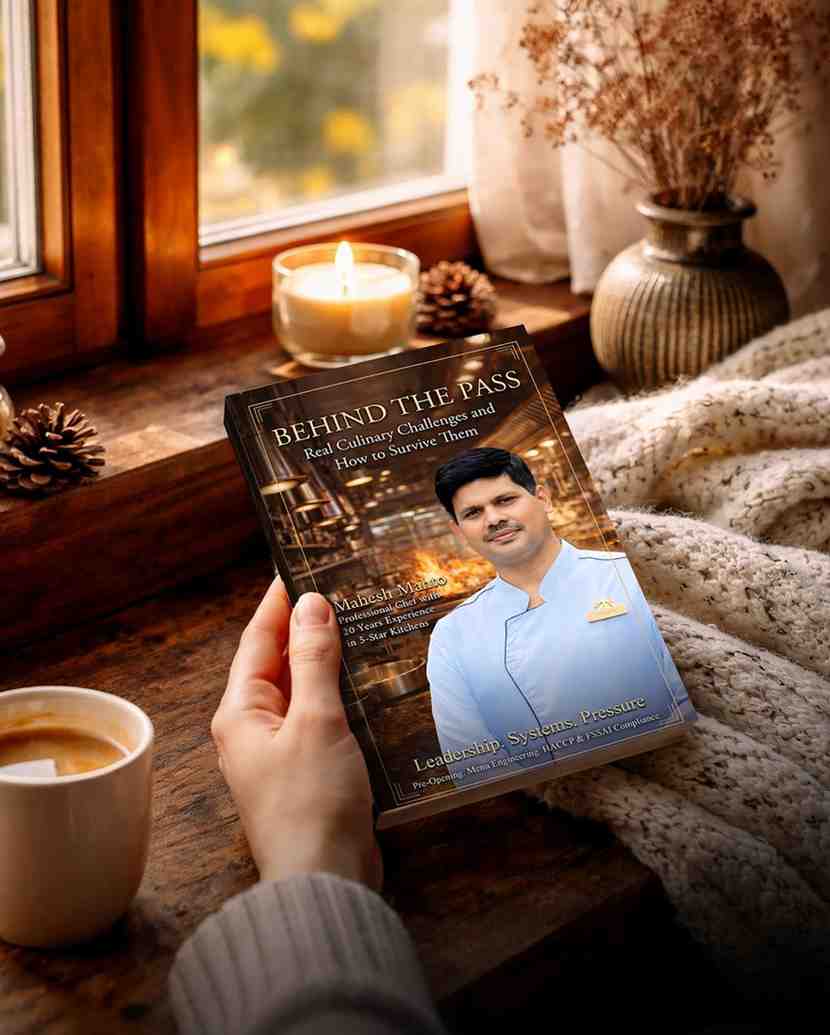
Behind the Pass is not just about cooking—it is about understanding what keeps kitchens functional under pressure. Chef Mahesh Mahto’s insights reveal that success in hospitality is less about hero chefs and more about reliable systems that support them.
In a world where restaurants are scaling faster than ever, this shift in thinking is becoming not just useful, but necessary.
Media Coverage & External Links
Read the full feature:
Interview:
Also featured in The Literature Times:
Get Your Copy
The pass is open.
- Amazon — https://lnkd.in/gh__9vkJ
- Flipkart — https://lnkd.in/gVcFjHTa
- Astitva Store — https://lnkd.in/gpmc_vpp
- Classic Shelf — https://lnkd.in/g7_k4TpW